

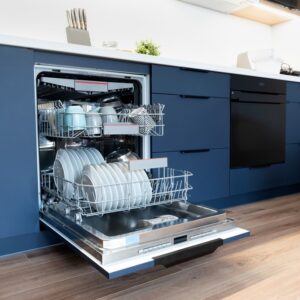
You open your dishwasher expecting clean, dry dishes—but instead, everything is still covered in water. Sound familiar?
A dishwasher that cleans properly but doesn’t dry dishes can be frustrating, especially when you’re left drying plates, glasses, and utensils by hand. While some moisture is normal after a cycle, consistently wet dishes can indicate an issue with the dishwasher’s drying system or the way the appliance is being loaded and operated.
For homeowners across Texas, factors such as water quality, mineral buildup, appliance age, and frequent use can also contribute to dishwasher performance problems.
At Professional Appliance Repairs, we help Texas homeowners identify and resolve appliance issues before a small problem turns into a costly repair.
A Little Moisture Is Normal
Before assuming something is wrong, it’s important to know that not every dishwasher is designed to leave every item completely dry.
Plastic containers, cups, and lightweight items tend to retain more water than ceramic plates or glassware. Some newer energy-efficient dishwashers also use condensation drying rather than traditional heated drying.
However, if your dishes are significantly wetter than they used to be, or your dishwasher has suddenly stopped drying altogether, it’s worth investigating.
1. The Heating Element May Not Be Working
One of the most common reasons a dishwasher doesn’t dry properly is a faulty heating element.
The heating element helps raise the temperature inside the dishwasher during the drying portion of the cycle. If it isn’t heating properly, water may remain on dishes long after the cycle finishes.
A failing heating element can sometimes be identified by other symptoms, including:
- Dishes staying unusually cold after a cycle
- Longer drying times
- Poor cleaning performance
- A dishwasher that doesn’t seem to heat water normally
Because the heating element involves electrical components, testing and replacing it is best handled by a qualified appliance technician.
2. The Dishwasher May Not Be Getting Hot Enough
Even if the heating element itself isn’t defective, another component could be preventing the dishwasher from reaching the correct temperature.
Depending on the model, the problem could involve a thermostat, temperature sensor, control board, or another part of the heating system.
If your dishwasher runs through a complete cycle but the dishes remain cold and wet, professional diagnosis can help determine which component is responsible.
3. Your Rinse Aid May Be Empty
Rinse aid isn’t just about making glasses look shiny.
It helps water slide off dishes more easily, which can improve drying performance and reduce water spots.
If you’ve noticed that your dishes have become increasingly wet or spotted, check the rinse-aid dispenser. If your dishwasher is designed to use rinse aid, keeping the reservoir filled according to the manufacturer’s instructions may improve results.
4. Hard Water Can Affect Dishwasher Performance
Texas homeowners may also have to deal with mineral-rich water.
Minerals can accumulate inside dishwashers and on components over time. Scale buildup can affect water flow, heating components, spray arms, and other parts of the appliance.
You may notice:
- White residue on dishes
- Cloudy glassware
- Mineral deposits inside the dishwasher
- Reduced cleaning performance
- Changes in drying performance
Regular maintenance and appropriate dishwasher cleaning can help reduce the effects of mineral buildup.
5. Your Dishwasher May Be Overloaded
Sometimes the appliance isn’t broken—it’s simply too full.
When dishes are packed tightly together, water can become trapped between plates, inside bowls, and underneath containers. Poor loading can also prevent water and heat from circulating effectively.
Try leaving enough space between items for water and air to move freely.
Place cups and bowls at an angle so water can drain rather than collect inside them.
6. Plastic Items Naturally Stay Wetter
If your glassware and plates are dry but plastic containers are still wet, your dishwasher may be working normally.
Plastic doesn’t retain heat as well as glass or ceramic. As a result, water evaporates more slowly from plastic surfaces.
If everything is wet—including plates, glasses, and metal utensils—there may be a bigger problem.
7. The Door May Be Trapping Moisture
Some dishwashers rely on ventilation or a controlled release of steam during the drying process.
If the vent is blocked or malfunctioning, moisture may remain inside the dishwasher instead of escaping.
A technician can inspect the vent system and related components to determine whether ventilation is contributing to the problem.
When Should You Call a Dishwasher Repair Professional?
If you’ve tried normal loading practices, checked your rinse aid, and confirmed you’re using the appropriate drying cycle, but your dishwasher still isn’t drying, it may be time for professional service.
Especially call for service if the problem is accompanied by:
- Standing water inside the dishwasher
- Dishes that aren’t getting clean
- Unusual noises
- A burning smell
- Error codes
- Water leaks
- A dishwasher that isn’t heating
Trying to repair electrical or heating components without the right tools and experience can create additional problems.
Keep Your Dishwasher Working Efficiently
A dishwasher that suddenly stops drying can have a simple cause—or it can be an early sign of a failing component.
For Texas homeowners, regular maintenance is especially important when hard-water mineral buildup is a concern.
Professional Appliance Repairs provides appliance repair services for homeowners throughout Texas. If your dishwasher isn’t drying dishes the way it should, our technicians can inspect the appliance, identify the cause, and recommend the appropriate repair.
Don’t spend every morning drying dishes by hand. Get your dishwasher back to doing the job it was designed to do.
Take care of your appliances before they become emergencies, and choose a repair company that puts diagnosis before the sale.
Call us: (972) 532-7579
Book here: https://professional-appliance.com/
🔧 Service Areas:
Dallas | Fort Worth | Plano | Frisco | Denton | McKinney | Surrounding Areas in North Texas
Proudly serving Dallas, Fort Worth, and surrounding areas like Plano, Southlake, Frisco